✓Quick Answer
The cheapest baby formula in Australia is Woolworths store brand at $19.99/900g ($2.22/100g). For name brands, Nan Optipro at $26.99/900g ($3.00/100g) is the cheapest. Chemist Warehouse regularly runs half-price sales on all major brands, making even premium formulas affordable if you time your purchase right.
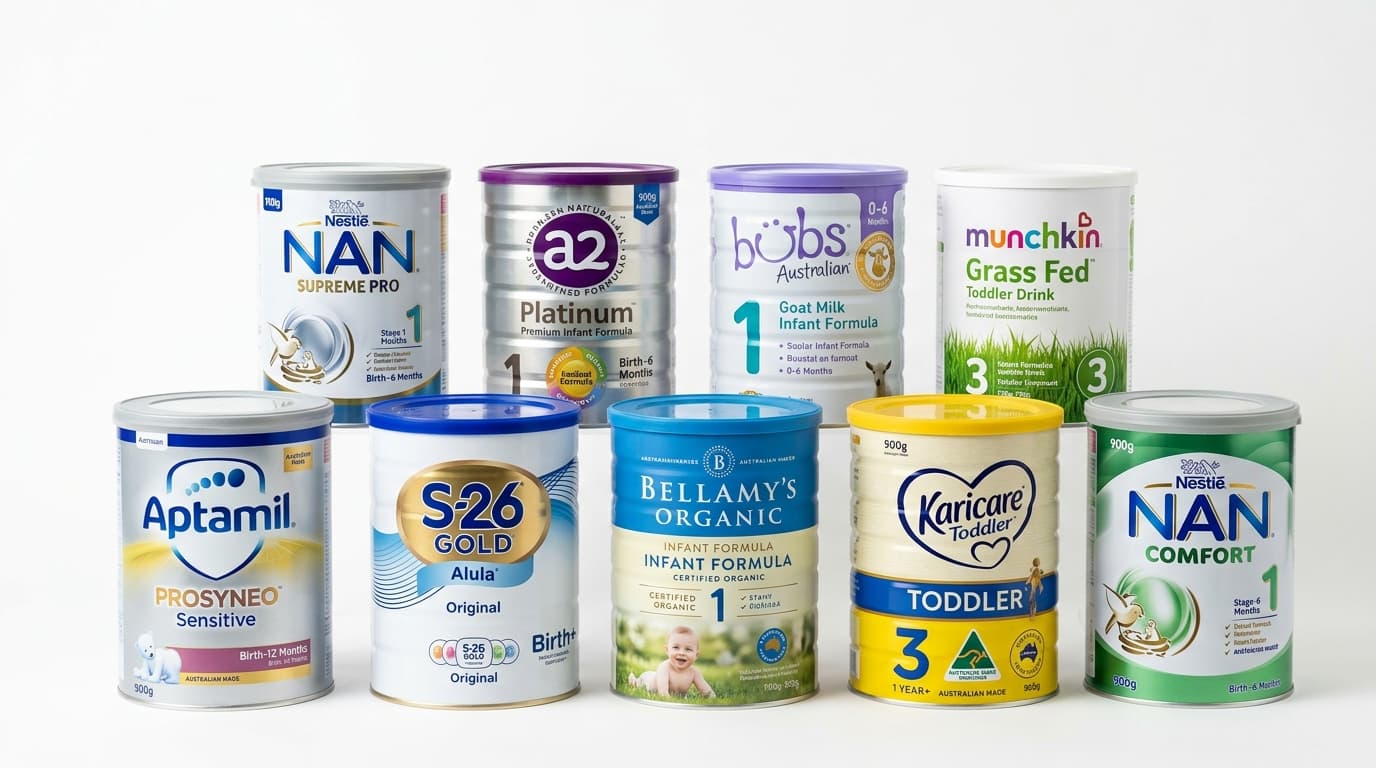
Why Formula Costs Matter for Australian Families
Baby formula is one of the single biggest recurring expenses for Australian parents with infants. Over the first 12 months, a family exclusively formula-feeding can spend anywhere from $1,200 to $3,600 depending on the brand they choose. That is a massive range, and most of it comes down to branding rather than genuine nutritional differences.
In Australia, all infant formula must comply with Food Standards Australia New Zealand (FSANZ) Standard 2.9.1, which specifies mandatory nutrients, permissible ingredients, and strict quality controls. This means every tin on the shelf — whether it costs $19.99 or $44.99 — meets the same baseline nutritional requirements for healthy infant development.
Understanding this is the first step to saving serious money on formula without compromising your baby's health. The difference between the cheapest and most expensive formula over a year could pay for an entire family holiday.
We've done the legwork for you. In this guide, we compare every major formula brand available in Australia across all stages, break down exactly where to find the cheapest prices, and share strategies to reduce your formula bill by up to 50%. If you want real-time price tracking, check out our price comparison tools that monitor specials across Coles, Woolworths, and Chemist Warehouse automatically.
Full Price Comparison Table — All Major Formulas (All Stages)
Below is a comprehensive price comparison of every major baby formula brand available in Australia, covering Stage 1 (newborn), Stage 2 (follow-on), and Stage 3 (toddler). All prices are based on the standard 900g tin size and reflect regular retail pricing at Coles, Woolworths, and Chemist Warehouse as of April 2026.
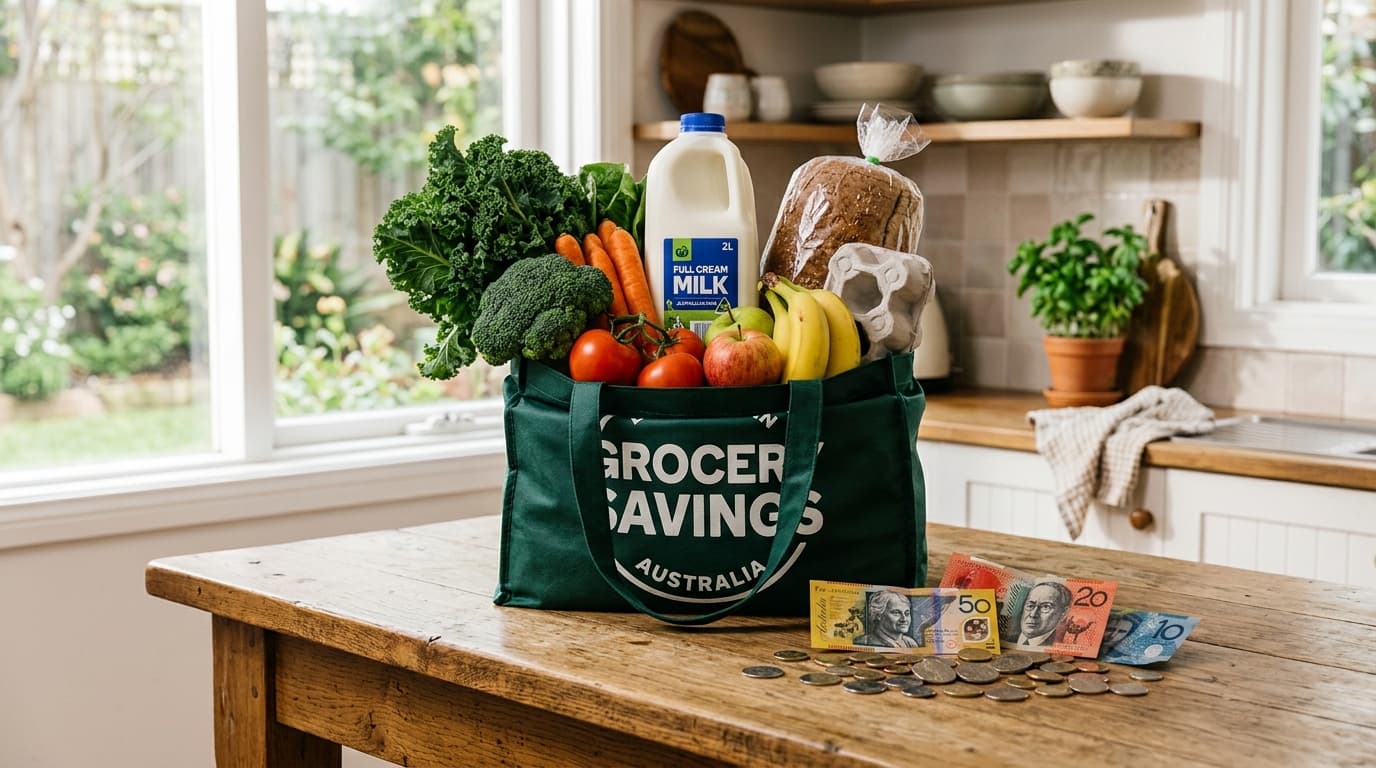
Stage 1 Formula (0-6 or 0-12 months)
| Brand | Size | Coles/Woolworths | CW Half-Price | Per 100g |
|---|---|---|---|---|
| Woolworths Store Brand | 900g | $19.99 | N/A | $2.22 |
| Nan Optipro Stage 1 | 900g | $26.99 | $13.49 | $3.00 |
| Karicare Stage 1 | 900g | $27.99 | $13.99 | $3.11 |
| S26 Gold Stage 1 | 900g | $28.00 | $14.00 | $3.11 |
| Aptamil Profutura Stage 1 | 900g | $29.99 | $14.99 | $3.33 |
| Bellamy's Organic Stage 1 | 900g | $34.99 | $17.49 | $3.89 |
| A2 Platinum Stage 1 | 900g | $39.99 | $19.99 | $4.44 |
| Aptamil Essensis Stage 1 | 900g | $44.99 | Rarely discounted | $5.00 |
Stage 2 Formula (6-12 months)
| Brand | Size | Coles/Woolworths | CW Half-Price | Per 100g |
|---|---|---|---|---|
| Woolworths Store Brand | 900g | $19.99 | N/A | $2.22 |
| Nan Optipro Stage 2 | 900g | $26.99 | $13.49 | $3.00 |
| Karicare Stage 2 | 900g | $27.99 | $13.99 | $3.11 |
| S26 Gold Stage 2 | 900g | $28.00 | $14.00 | $3.11 |
| Aptamil Profutura Stage 2 | 900g | $29.99 | $14.99 | $3.33 |
| Bellamy's Organic Stage 2 | 900g | $34.99 | $17.49 | $3.89 |
| A2 Platinum Stage 2 | 900g | $39.99 | $19.99 | $4.44 |
Stage 3 Toddler Formula (12+ months)
| Brand | Size | Coles/Woolworths | CW Half-Price | Per 100g |
|---|---|---|---|---|
| Nan Optipro Stage 3 | 900g | $24.99 | $12.49 | $2.78 |
| Karicare Stage 3 | 900g | $25.99 | $12.99 | $2.89 |
| S26 Gold Stage 3 | 900g | $25.99 | $12.99 | $2.89 |
| Aptamil Profutura Stage 3 | 900g | $27.99 | $13.99 | $3.11 |
| Bellamy's Organic Stage 3 | 900g | $32.99 | $16.49 | $3.67 |
| A2 Platinum Stage 3 | 900g | $37.99 | $18.99 | $4.22 |
Key takeaway: Across all stages, the price hierarchy is consistent. Store brands are cheapest, followed by Nan Optipro, then Karicare and S26 in the mid-range, Aptamil in upper-mid, and A2 Platinum and specialty formulas at the top. Use our deals tracker to see which brands are currently on special.
$Formula Savings Calculator — Year 1 Cost
Based on average consumption of 3.5 tins per month (42 tins per year) for a fully formula-fed baby.
Woolworths Store Brand
$839/yr
$19.99 x 42 tins
Nan Optipro (full price)
$1,134/yr
$26.99 x 42 tins
A2 Platinum (full price)
$1,680/yr
$39.99 x 42 tins
Switching from A2 Platinum to Woolworths store brand saves $841 per year.
Where to Buy the Cheapest Baby Formula in Australia
Not all retailers charge the same price for formula, and the differences can be significant. Here is a breakdown of where Australian parents can find the best formula prices.

Chemist Warehouse
Chemist Warehouse is consistently the cheapest place to buy baby formula in Australia, particularly during their frequent half-price sales. Even at regular prices, CW typically undercuts supermarkets by $1 to $3 per tin. During half-price events, prices drop to as low as $13.49 for Nan Optipro and $14.99 for Aptamil.
The main downside is stock availability. During major sales, popular formula brands often sell out within hours at busy stores. To avoid missing out, check online availability first and consider ordering for Click & Collect.
Coles
Coles prices for baby formula are generally at RRP, but they run regular half-price specials on a rotating brand schedule. Coles also price-matches Woolworths on most formula products. Their Flybuys program can earn you points on formula purchases, though the discount is modest at 0.5% back.
Keep an eye on Coles specials by checking our weekly Coles deals page every Wednesday when new specials go live.
Woolworths
Woolworths has the advantage of offering their own-brand formula at $19.99, which is the cheapest non-Aldi formula available in Australia. Their Everyday Rewards program also lets you earn points on all purchases, and they occasionally offer bonus points promotions on baby products.
Woolworths also runs weekly specials on formula brands, typically alternating with Coles. Browse current Woolworths dealsto see what's on special right now.
Priceline Pharmacy
Priceline tends to be slightly more expensive than Chemist Warehouse at regular prices, but their Sister Club membership offers periodic 40% off sales on baby products including formula. These sales happen roughly every two months and can bring prices close to CW half-price levels.
Online Retailers
Amazon Australia, Catch.com.au, and ChemistDirect all sell baby formula online. Amazon's Subscribe & Save feature offers a consistent 5 to 10% discount when you set up automatic deliveries. This can make Amazon competitive with CW regular prices, though it rarely beats half-price sale prices.
Catch.com.au occasionally has clearance deals on formula nearing its best-before date. These can be excellent value if you plan to use the formula within a few months.
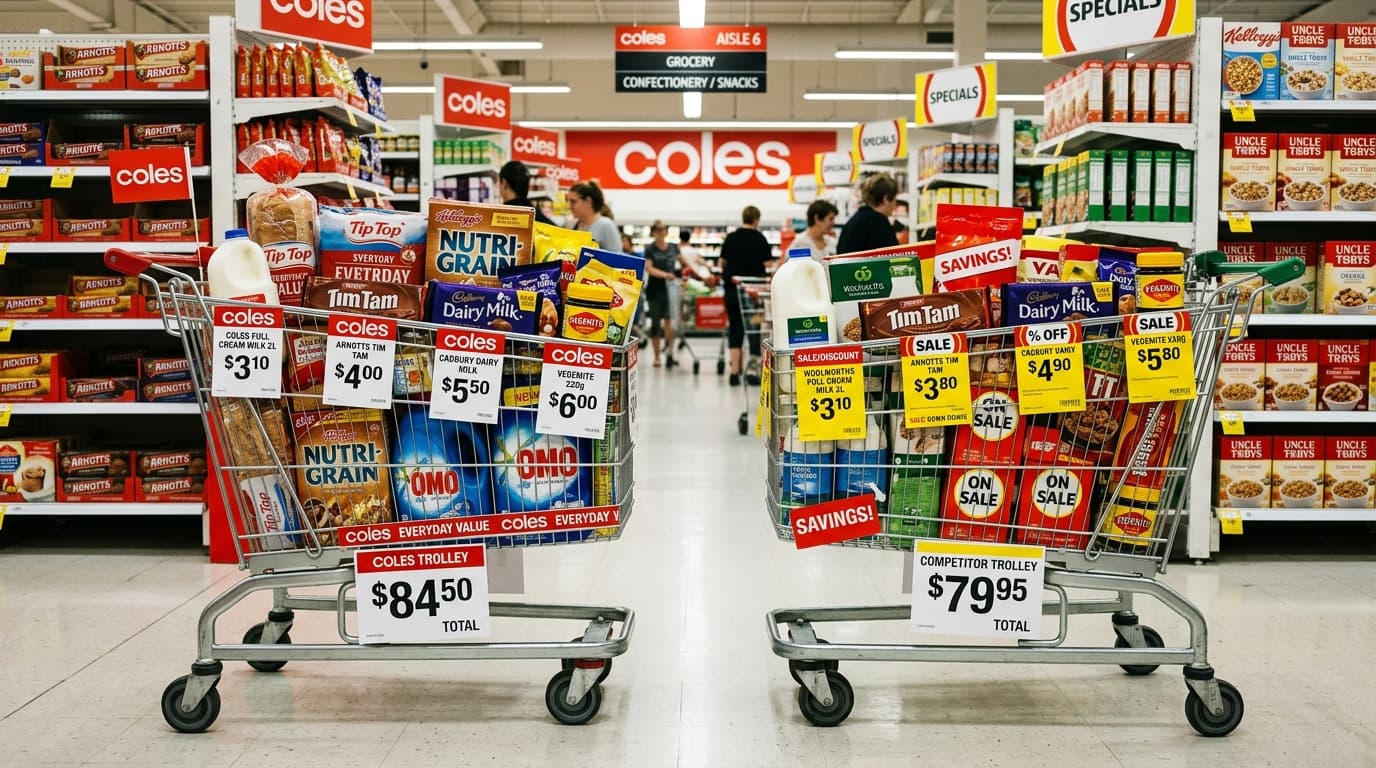
When Does Formula Go on Special? (Chemist Warehouse Half-Price Schedule)
Understanding the pattern of formula sales is critical for saving money. Here is what we have observed tracking prices over the past two years:
Chemist Warehouse
- Frequency: Half-price formula sales occur roughly every 4 to 6 weeks
- Duration: Sales typically last 3 to 7 days
- Brands covered:Most major brands are included — Aptamil, S26, Nan, Karicare, and Bellamy's
- Pattern: Sales often coincide with end-of-month or mid-month periods
- Stock issues: Popular sizes (Stage 1, 900g) sell out fast — order online for best availability
Coles and Woolworths
- Specials change: Every Wednesday
- Rotation: Brands alternate — if Aptamil was on special last month, it will likely be 6 to 8 weeks before it returns
- Discount: Usually half-price or 30% off, occasionally two-for deals
The easiest way to never miss a formula sale is to set up price alerts. Our deals feed monitors supermarket and pharmacy prices in real time, and you can configure alerts for specific products to get notified the moment a sale starts.
Are Cheaper Formulas as Good as Premium Brands?
This is the question every budget-conscious parent asks, and the answer is reassuring. All infant formula sold in Australia must meet the same FSANZ nutritional standards, regardless of price. The mandatory nutrient composition includes protein, fat, carbohydrates, vitamins, and minerals at specified levels.
So what do you get for paying more? Premium formulas typically offer:
- Added prebiotics and probiotics: Some research suggests these may support gut health, but the evidence is not conclusive for healthy term infants
- DHA and ARA: These fatty acids are found naturally in breast milk and are added to most formulas now, including budget ones
- Different protein blends: Some premium formulas use partially hydrolysed protein, which may be easier to digest for some babies
- Marketing claims:Terms like “gold”, “platinum”, and “profutura” are branding, not indicators of superior nutrition
The Royal Australasian College of Physicians and the National Health and Medical Research Council (NHMRC) have stated that there is no need to switch between formula stages or choose more expensive brands for healthy infants. If your baby is thriving on a budget formula, there is no nutritional reason to upgrade.
That said, some babies do genuinely tolerate one formula better than another. If your baby has reflux, colic, or suspected cow's milk protein allergy, consult your GP or paediatrician about specialised formulas, which may be available on prescription through the Pharmaceutical Benefits Scheme (PBS).
Organic Formula: Is It Worth the Premium?
Organic baby formula brands like Bellamy's and Bubs have become increasingly popular in Australia. But at $34.99 to $44.99 per tin compared to $19.99 to $26.99 for conventional options, is the premium justified?
Here is what “organic” actually means for formula:
- The milk comes from cows that are fed organic feed and not treated with antibiotics or growth hormones
- No synthetic pesticides are used in producing the milk
- The product is certified by an accredited organic certifier (ACO in Australia)
What it does not mean:
- It is not nutritionally superior — organic and conventional formulas must meet the same FSANZ standards
- There is no reliable evidence that organic formula reduces the risk of allergies, eczema, or other health conditions in infants
- Organic certification does not apply to all ingredients — some vitamins and minerals added to organic formula are synthetically produced because natural sources are insufficient
Over a full year, choosing organic over conventional formula adds approximately $420 to $756 to your formula expenses. For families on a tight budget, this is a significant amount that could be redirected towards other baby essentials.
⚖Organic vs Conventional: 12-Month Cost Breakdown
Conventional (Nan Optipro)
Monthly (3.5 tins): $94.47
Yearly (42 tins): $1,133.58
With CW sales (~50% bought half-price): $850
Organic (Bellamy's)
Monthly (3.5 tins): $122.47
Yearly (42 tins): $1,469.58
With CW sales (~50% bought half-price): $1,102
The organic premium costs an extra $252 to $336 per year even with savvy shopping.
How to Use Milk n Eggs Price Tracker for Formula
Milk n Eggs is a free Australian grocery price tracker that monitors prices across Coles, Woolworths, and other retailers. Here is how to use it specifically for tracking baby formula prices:
- Browse current deals: Head to our deals pageand search for “baby formula” to see all current specials across supermarkets
- Compare prices: Use our price comparison tools to compare the same product across different retailers instantly
- Check the feed: Our real-time deals feed shows the latest price drops as they happen, so you can act fast when formula goes on sale
- Track price history:See whether a “sale” price is genuinely a good deal by checking the product's price history — some retailers inflate prices before putting items “on sale”
- Share with other parents:Found a great deal? Share it with your mothers' group or playgroup to help others save too
The biggest advantage of using a price tracker is that you can identify the true lowest price for your preferred formula. Many parents assume that the regular price is what they have to pay, but with strategic timing, you can buy at half-price more than half the time.
When to Transition Between Formula Stages
Understanding formula stages can save you money because Stage 2 and Stage 3 formulas are often unnecessary. Here is the breakdown:
- Stage 1 (Infant): Suitable from birth to 12 months. This is the only stage that is strictly regulated as an infant formula
- Stage 2 (Follow-on): Marketed for 6 to 12 months, but the NHMRC states that it is not necessary to switch from Stage 1. Follow-on formula was created partly to circumvent advertising restrictions on infant formula
- Stage 3 (Toddler):For 12 months and above. This is technically a “toddler milk drink” rather than a formula, and most health authorities say it is unnecessary if your toddler is eating a varied diet and drinking regular cow's milk
Money-saving tip:If your baby is happy on Stage 1, there is no medical reason to switch to Stage 2 at six months. Staying on Stage 1 simplifies your shopping and means you can bulk-buy a single product. After 12 months, you can transition directly to regular full-cream cow's milk (around $1.50 per litre), which is dramatically cheaper than any toddler formula.
The Australian Breastfeeding Association and many paediatricians support this approach. The main reason Stage 2 and Stage 3 formulas exist is marketing — they allow companies to advertise formula indirectly, since direct advertising of Stage 1 (infant) formula is restricted under Australian law.
Bulk Buying Strategy: How to Stock Up and Save
Bulk buying during sales is the single most effective way to reduce your formula costs. Here is a practical strategy:
Step 1: Know Your Consumption
On average, a formula-fed baby goes through:
- 0 to 3 months: approximately 2.5 to 3 tins (900g) per month
- 3 to 6 months: approximately 3 to 4 tins per month
- 6 to 12 months: approximately 3.5 to 5 tins per month (less if eating solids)
Step 2: Calculate Your Stockpile
Since CW half-price sales happen every 4 to 6 weeks, you want enough stock to last until the next sale. Buying 6 to 8 tins during each sale should cover you comfortably.
Step 3: Check Expiry Dates
Unopened formula typically has a shelf life of 12 to 18 months from the manufacturing date. Check the expiry before buying in bulk. Formula purchased from supermarkets generally has at least 6 months of remaining shelf life.
Step 4: Storage
Store unopened tins in a cool, dry place away from direct sunlight. Do not freeze formula powder. Once opened, use within 4 weeks and store with the lid tightly sealed.
Step 5: Use Multiple Retailers
Do not limit yourself to one retailer. If CW has half-price Aptamil but Coles has half-price Nan, and your baby is happy on both, take advantage of both sales. This requires some flexibility but maximises savings.
For the best deals across all retailers, bookmark our deals page and check it before every shopping trip.
Special Formulas: When Budget Options Are Not Suitable
While most healthy babies thrive on standard formula, some infants require specialised products. These include:
- Extensively hydrolysed formulas(e.g., Aptamil Allerpro Syneo, Nan HA): For babies with confirmed cow's milk protein allergy (CMPA). These cost $35 to $50 per tin but may be available on the PBS with a paediatrician's prescription
- Amino acid-based formulas (e.g., EleCare, Neocate): For severe CMPA. These are very expensive ($50 to $80 per tin) but are usually subsidised through the PBS
- Soy-based formulas(e.g., S26 Soy, Nan Soy): For babies who cannot tolerate cow's milk or lactose. Similar price to standard formula at $27 to $30 per tin
- Anti-reflux formulas (e.g., Nan AR, Aptamil Anti-Reflux): Thickened formulas for babies with reflux. Slightly more expensive at $28 to $32 per tin
If your baby needs a specialised formula, speak with your GP about PBS subsidies. A prescription can reduce the cost of hypoallergenic formulas from $50+ per tin to just the PBS co-payment of $7.70 (or $1.60 with a Health Care Card).
Aldi Mamia Formula: The Hidden Budget Option
Aldi's Mamia brand formula deserves special mention. At approximately $12.99 for 900g ($1.44 per 100g), it is by far the cheapest baby formula available in Australia from any major retailer. Mamia formula is manufactured in Australia by Tatura Milk Industries (a subsidiary of Bega Cheese) and fully meets FSANZ standards.
The catch? Availability is inconsistent. Not all Aldi stores carry formula at all times, and it can sell out quickly. If your local Aldi reliably stocks Mamia, it represents exceptional value. However, you cannot always rely on it being in stock, so having a backup brand is wise.
Aldi does not offer online shopping for formula, so you need to visit the store in person. For more on Aldi's product range and deals, see our Woolworths vs Aldi price comparison.
Practical Tips for New Parents Buying Formula
Having helped thousands of Australian families track grocery prices, here are our top practical tips specifically for buying baby formula:
- Do not stockpile before your baby is born: You do not know which formula your baby will tolerate until they try it. Buy one tin initially, then stock up once you know what works
- Ask your hospital: Many hospitals provide free formula samples. This lets you test brands before committing
- Join parent groups:Facebook groups like “Cheap Nappies & Formula Australia” share deals in real time
- Do not mix brands unnecessarily: While most babies tolerate switching, sticking to one brand simplifies purchasing and lets you bulk buy with confidence
- Check unit pricing: Always compare the per-100g price, not the tin price. Some brands come in 800g tins that look cheaper but cost more per gram
- Consider ready-to-feed for outings only: Ready-to-feed bottles (e.g., S26 Gold 200ml) cost $3 to $5 each — fine for convenience when out, but extremely expensive for daily use
- Loyalty programs stack: Combine Chemist Warehouse member pricing with cashback apps like ShopBack or Cashrewards for an extra 2 to 5% off
- Check for manufacturer coupons: Brands like Aptamil and S26 occasionally offer direct discount codes or cashback via their websites and apps
For more money-saving strategies beyond formula, check out our comprehensive guide on how to save money on groceries in Australia.
What to Do During a Formula Shortage
Australia has experienced periodic formula shortages in recent years, partly due to international demand for Australian-made products. During a shortage:
- Most retailers limit purchases to 2 tins per customer per transaction
- Online stock may be depleted faster than in-store supplies
- Speak with your pharmacist — they can sometimes order directly from suppliers
- Do not panic-buy more than you need. Hoarding exacerbates shortages for other families
- If your preferred brand is unavailable, switching to another FSANZ-approved formula is perfectly safe. Talk to your child health nurse if you are concerned
Frequently Asked Questions
What is the cheapest baby formula in Australia?
The cheapest baby formula in Australia is the Woolworths store brand at $19.99 for 900g ($2.22 per 100g). For name brands, Nan Optipro Stage 1 at $26.99 for 900g ($3.00 per 100g) is the most affordable option available at major supermarkets.
Is cheap baby formula safe in Australia?
Yes. All infant formula sold in Australia must meet strict Food Standards Australia New Zealand (FSANZ) regulations. Whether you pay $19.99 or $44.99, every formula must contain the required nutrients for healthy infant development. Price differences reflect branding and added extras, not safety.
Where can I buy the cheapest baby formula?
Chemist Warehouse consistently offers the lowest prices on baby formula, especially during their frequent half-price sales. Woolworths and Coles also run regular specials. Online retailers like Amazon Australia and Catch.com.au can sometimes beat in-store prices, especially with subscribe-and-save options.
How often does Chemist Warehouse have half-price formula?
Chemist Warehouse runs half-price baby formula sales roughly every 4 to 6 weeks. These sales typically last 3 to 7 days and cover most major brands including Aptamil, S26, Nan, and Karicare. Setting up a price alert on Milk n Eggs can notify you the moment a sale starts.
Is Aptamil better than S26?
Both Aptamil and S26 meet the same FSANZ nutritional requirements. The best formula is the one your baby tolerates well. Some babies prefer one over the other due to taste or digestive comfort. There is no scientific evidence that one is superior to the other for healthy, full-term infants.
When should I switch from Stage 1 to Stage 2 formula?
Stage 1 formula is suitable from birth to 12 months. Stage 2 (follow-on) formula is designed for babies from 6 months who are also eating solid foods. However, the NHMRC and many paediatricians note that Stage 1 formula can be used for the entire first year. Stage 2 is not required.
Is organic baby formula worth the extra cost?
Organic formulas like Bellamy's use organic milk and avoid synthetic pesticides, but all formula in Australia must meet the same nutritional standards. At $34.99 to $44.99 per tin versus $19.99 to $26.99 for conventional options, the cost difference over a year can exceed $700. It comes down to personal preference rather than nutritional necessity.
Can I buy baby formula in bulk to save money?
Yes, buying in bulk during half-price sales is one of the best strategies. Formula has a shelf life of 12 to 18 months unopened. During a Chemist Warehouse half-price sale, buying 6 to 8 tins at once can save you $100 or more over several months. Just check the expiry dates before stocking up.
Does Aldi sell baby formula?
Yes, Aldi sells the Mamia brand baby formula which is one of the cheapest options in Australia at around $12.99 for 900g. It meets all FSANZ requirements and is manufactured in Australia. However, availability can vary by store and Aldi does not always keep it in stock consistently.
How much does baby formula cost per month in Australia?
A newborn typically goes through 3 to 4 tins of formula per month, costing $60 to $120 per month for standard brands at full price. By 6 months, consumption increases to 4 to 5 tins per month ($80 to $150). Using budget brands or buying during sales can reduce this cost by 30 to 50 percent.
Sources and References
This article draws on the following sources to ensure accuracy and reliability:
- Food Standards Australia New Zealand (FSANZ) — Standard 2.9.1: Infant Formula Products. Sets mandatory compositional and safety requirements for all infant formula sold in Australia.
- National Health and Medical Research Council (NHMRC) — Infant Feeding Guidelines (2012, updated 2024). Provides evidence-based recommendations on infant nutrition including formula feeding.
- Royal Australasian College of Physicians (RACP) — Position statement on infant formula marketing and labelling.
- Australian Breastfeeding Association (ABA) — Guidance on formula feeding for parents who are combination feeding or exclusively formula feeding.
- Pharmaceutical Benefits Scheme (PBS) — Listings for subsidised specialised infant formulas including amino acid-based and extensively hydrolysed products.
- Coles, Woolworths, Chemist Warehouse, Aldi — Retail pricing data collected via Milk n Eggs price tracker, April 2026.
- Choice Australia — Independent reviews and testing of baby formula products available in Australia.
- Australian Competition and Consumer Commission (ACCC) — Guidelines on unit pricing and consumer rights regarding grocery pricing transparency.
Prices quoted in this article are based on data collected in April 2026 and may have changed since publication. For current prices, visit our live deals page. This article is for informational purposes only and should not be taken as medical advice. Always consult your healthcare provider regarding your baby's nutritional needs.